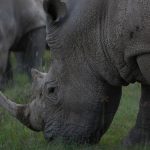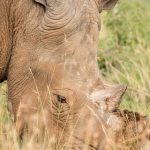
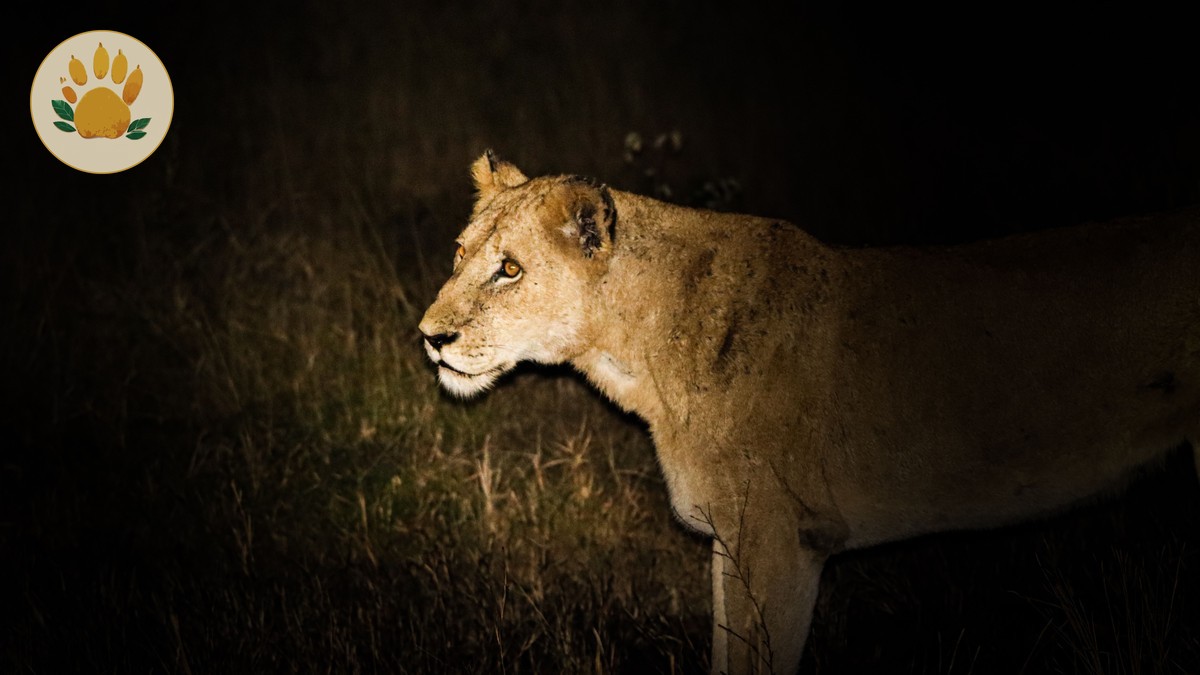
Lewa Wildlife Conservancy is one of the few places in East Africa where you can walk near both black and white rhinos. That makes this lewa rhino tracking safari guide useful for anyone thinking about a short northern Kenya trip. One night is rushed. Three nights gives you time to settle in, track on foot, and still get at least one morning and one afternoon drive.
1. lewa rhino tracking safari guide: What Makes It Different
Lewa combines private-conservancy access, experienced trackers, and permission for guided walking near both black and white rhinos. Unlike a standard game drive, the experience can involve reading tracks, dung middens, and behavior before approaching on foot with an armed ranger. Visitor numbers and vehicle access are more controlled than in many national parks.
Lewa is private land, not a KWS park. That means you do not pay an entrance ticket at a park gate. Most of the Lewa conservation access is included in your camp rate, and that changes how you compare costs. The lodges below are all inside the conservancy, so you can spend your time watching animals rather than driving from a gate.
2. What a Rhino Tracking Session Actually Involves
A typical session starts with a ranger briefing, then uses a vehicle to locate a rhino before guests continue on foot when conditions are safe. Expect quiet movement, hand signals, uneven ground, and a respectful viewing distance rather than a chase. Some walks cover roughly three to seven kilometers and require moderate fitness.
SafariPure recommends placing this session early in your stay. Day two works well because it follows an arrival drive and gives you a chance to understand the terrain. The tracker will pause often. He may point to a fresh footprint or a crushed bush. The goal is patient observation, not covering distance.
For wildlife photographers, this is different from a vehicle-based safari. A 70-200mm lens is often more useful for a walking session than a large 600mm lens. Keep your pack light and your hands free.
3. Black and White Rhinos and Other Lewa Wildlife
Lewa is a stronghold for endangered black and white rhinos, while game drives can also produce Grevy’s zebra, reticulated giraffe, elephants, lions, and other Laikipia species. Rhino sightings are a major reason to choose Lewa, but the conservancy is not a replacement for the Masai Mara if predator density and migration are your priorities.
Because Lewa is a private conservancy, vehicle numbers stay low. You will not queue with many safari vehicles at a sighting. That helps photographers wait for clean angles and natural behavior. The open bush also gives good views of elephants moving between Lewa and nearby Borana, which shares a boundary.
4. Best Time to Visit Lewa
June to October generally offers the easiest driving and clearest wildlife viewing, while January and February provide another useful dry-season window. March to May is greener, quieter, and potentially less expensive but wetter. November and December can deliver lush scenery and strong birding, although rain may make some roads muddy.
Rhinos live in Lewa all year. Their presence does not depend on migration, so your main weather question is road condition and comfort. For photographers, the low light of the dry season is attractive. For walkers, dry ground makes the three to seven kilometer routes more predictable.
5. How to Get to Lewa Wildlife Conservancy
The fastest option is a flight from Nairobi’s Wilson Airport to Lewa Downs airstrip, usually taking about 45 to 55 minutes. Driving from Nairobi takes roughly four to six hours depending on the route and road conditions. Compare the total package price carefully because flights may be charged separately while road transfers are often bundled.
A return flight from Nairobi normally adds about USD 300 to USD 500 per person, depending on aircraft and booking timing. Most travelers choose the flight and then use a short camp transfer from the airstrip. If you are already on a long Kenya safari by road, the drive can make sense. It passes through Laikipia country and lets you stop for lunch at a ranch or town along the way.
6. Lewa Camps, Prices, and Conservation Fees
Indicative accommodation rates range from about USD 550 to USD 800 per person per night at Lewa Safari Camp, USD 700 to USD 950 at Lewa Wilderness, USD 900 to USD 1,300 at Sirikoi, and higher at Kifaru House. A separate conservation levy may apply or be bundled, so request an itemized quote before comparing camps.
For a three-night mid-range stay, budget around USD 1,800 to USD 2,400 per person including accommodation and conservation access. Luxury options can reach USD 3,500 to USD 5,000. A return flight adds roughly USD 300 to USD 500.
| Camp | Indicative rate per adult per night | Style | Best for |
|---|---|---|---|
| Lewa Safari Camp | USD 550 to USD 800 | Classic tented camp with verandas and a pool | Travelers who want reliable walking access and traditional safari comfort |
| Lewa Wilderness | USD 700 to USD 950 | Family-run, ranch-house atmosphere | Photographers and repeat visitors who value flexible guiding |
| Sirikoi | USD 900 to USD 1,300 | Intimate tented suites and cottage | Couples and photographers who want guide attention and privacy |
| Kifaru House | Quote only, above Sirikoi | Exclusive-use stone house | Families or small groups who want the whole house |
The Lewa conservation fee is treated differently from a national park ticket. At most camps, the daily conservation access is already in the rate. If an operator lists it separately, ask for the exact daily amount in writing before you book. The total per night is easier to plan with than a vague “community fee” line.
7. What to Pack and How Fit You Need to Be
Pack broken-in hiking boots, long trousers, a long-sleeved neutral-colored shirt, sun protection, water, and a light layer for cool mornings. Rhino tracking requires quiet movement over uneven terrain, and some experiences involve three to seven kilometers of walking. Guests should disclose mobility limitations before booking so the camp can adapt the activity.
This is not a hard mountain hike. It is slow walking with frequent stops. Still, thorns and dry grass are common, so closed shoes are essential. SafariPure suggests carrying your camera on a strap rather than a heavy backpack. You will crouch, step sideways, and sometimes stand still for several minutes.
8. How Many Nights in Lewa Make Sense
Three nights is the practical minimum for a dedicated Lewa visit because it allows arrival, several game drives, and a walking or rhino-tracking activity without making every outing weather-dependent. Four or five nights suit photographers and conservation-focused travelers. Lewa also pairs well with two nights in Samburu or Borana for a broader northern Kenya itinerary.
A practical three-night plan looks like this: fly in on day one and take an evening game drive; track rhinos on foot on day two; take a full morning drive on day three and fly out after lunch. If you are combining Lewa with other parts of the country, read the 7-day Kenya safari cost and route planning guide for a wider budget picture.
Plan Your Three-Night Lewa Rhino Safari
SafariPure can arrange the flights, the camp, and the walking session around the dates you have in mind. Feel free to request a three-night proposal that names the camp, the Lewa conservation fee, and the flight cost in one itemized quote. Start the conversation through the SafariPure contact page.